Steelin > Light Steel Educational Buildings
Light Steel Educational Buildings - Standard Plans
High School 3453 m2
Primary School 3036 m2
Primary School 2388 m2
Kindergarden 1166 m2
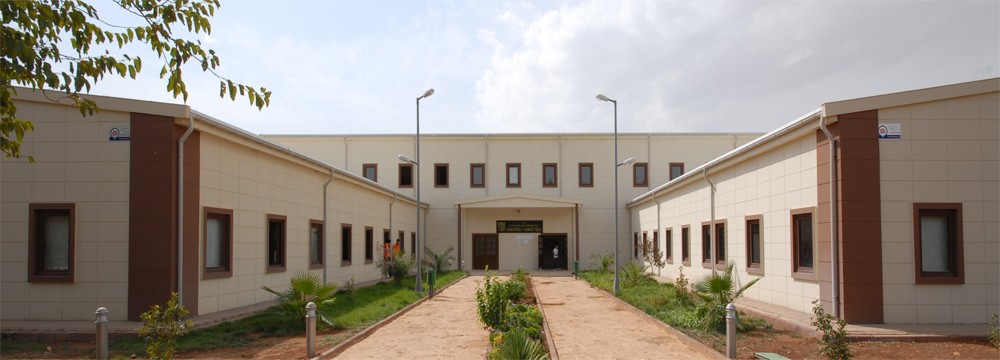
Light Steel Educational Buildings are increasingly adopted worldwide for their durable, adaptable, and efficient characteristics. In the context of Light Steel Sales Office, these structures offer an excellent solution for modern educational requirements, combining speed of deployment with long-term performance.
What is a Light Steel Educational Building?
A Light Steel Educational Building refers to an educational facility constructed by using light-gauge steel framing systems, often prefabricated and assembled on site. These buildings are designed as permanent structures rather than temporary ones, with all necessary electrical and sanitary systems integrated as part of the build. The frames are made from cold‑formed steel sections, often with factory-installed insulation and interior and exterior panels, to yield a robust yet lightweight educational facility.
Advantages of Light Steel Educational Buildings
Light steel educational buildings provide several compelling benefits: firstly, fast production time due to prefabrication under controlled factory conditions, which reduces on‑site assembly time and potential weather delays. Secondly, controllable quality and minimal margin of error, because components are verified in factory conditions before they reach the site. Thirdly, these structures are earthquake‑resistant, thanks to the ductility and strength of steel framing when engineered appropriately. Fourthly, they are environmentally friendly, producing less waste and allowing for better insulation and energy efficiency. Fifth, using materials such as A‑1 class incombustible fibre cement for cladding both interior and exterior helps ensure fire safety.
Application Areas of Light Steel Educational Buildings
Light steel educational buildings can be used across a broad spectrum of educational settings including kindergartens, primary schools, secondary schools, university dormitories, research labs, administrative blocks, staff rooms, and more. They are especially useful in regions with extreme climates (for example, Eastern or Southeastern Anatolia), where harsh winters make fast, weather-independent assembly vital.
Maintenance and Longevity of Light Steel Educational Buildings
Light steel structures require minimal maintenance when properly detailed. The steel framing is protected via galvanising or coatings to resist corrosion, and the cladding materials (fibre cement or coated metals) are chosen for durability and weather resistance. Periodic inspections, cleaning of drainage systems, checking sealants, and repainting or resealing cladding joints every 10–20 years help ensure longevity. When maintained appropriately, a well‑constructed light steel educational building can remain serviceable for many decades, outperforming many traditional alternatives.
Steps to Customize Your Light Steel Educational Building Design
- Needs Assessment & Briefing — define capacity, room types, height, climate, orientation, and budget.
- Preliminary Design & Layout — develop floor plans, elevations, structural scheme.
- Engineering & Static Calculations — structural calculations for loads, seismic factors, snow, wind.
- Panel / Frame Detailing — design panel layouts, insulation, thickness, junctions.
- Material & Finish Selection — choose external claddings, internal finishes, window systems, doors.
- Manufacturing & Quality Control — factory production of panels or frames under strict control.
- Site Assembly & Finishing — on‑site erection, sealing, external works, internal installations.
Light Steel Educational Building Cost
Costs vary depending on design complexity, height, finishes, location, logistics, and site conditions. The prefabrication process helps reduce labour and time costs on site. Because of quality control and speed, total cost per square metre for light steel educational buildings often compares favourably to traditional construction, especially when factoring lower maintenance, faster completion, and reduced waste. A detailed budget estimate should be prepared based on architectural plans and location‑specific factors (transport, site preparation, foundation, services).
Who Can Benefit from Light Steel Educational Buildings?
Public education authorities, private school operators, universities, nurseries, and other educational institutions can benefit from light steel educational buildings. Entities requiring rapid expansion or temporary relief classrooms, as well as those in regions with challenging climates, find this system particularly advantageous. Because the buildings are durable and permanent, they also suit long-term campus planning.
Technical Specifications of Light Steel Educational Buildings
In designing light steel educational buildings, certain standards must be met: storey height is typically planned as 3.00 m, in line with the technical specifications of education ministries. The structure can be built with varying storey heights (3.00 m, 3.50 m, etc.) if requested. Two production methods are commonly used:
- Hekim Light Steel Panel System — panels (e.g. 1 250 × 2 500 / 3 000 mm) including steel carcass, insulation, and facings are fully assembled in the factory, then shipped to site, connected, and finished. Panel thickness may vary between 80 mm and 300 mm.
- Hekim Plated-on-Site Light Steel System — bare steel frames are delivered, erected on site, and then insulation and cladding are applied in situ, along with moisture barriers and other finishing work.
Exterior and interior facings use A‑1 class incombustible fibre cement or painted galvanized sheet. All electrical and plumbing installations may be flush-mounted or surface-mounted according to design preferences.
Design and Customization Options of Light Steel Educational Buildings
Educational buildings have to meet functional, aesthetic, and regulatory demands. Design flexibility allows for open‑plan classrooms, labs, administrative offices, corridors, multi‑story layouts, atriums, interior mezzanines, and more. Architects can specify facade treatments, window systems, interior finishes, energy‑efficient HVAC systems, and acoustic insulation. Because modules are prefabricated, custom layouts and dimensions (within practical limits) are feasible.
Installation and Delivery Process of Light Steel Educational Buildings
The delivery and installation process generally begins by transporting prefabricated panels or structural frames to the site. A prepared foundation is required in advance. For the panel system, the ready panels are lifted into position and connected, then finishing works begin immediately. For the plated-on-site system, the steel frame is assembled first, followed by insulation, cladding, sealants, and building services. The process is fast and can proceed in almost any weather, minimising project delays.
How Light Steel Educational Buildings Create a Better Learning Environment
Beyond structural advantages, light steel educational buildings enable better indoor climate control through high-quality insulation, airtightness, and efficient HVAC integration. Classrooms can benefit from good acoustics, natural daylight, and consistent thermal comfort. Less construction dust and disruption lowers learning interruption during build phases. Because layout flexibility is high, spaces may be tailored to modern pedagogical needs: breakout areas, collaborative zones, and flexible classrooms.
Why Choose Light Steel Over Traditional Construction for Educational Projects?
Choosing light steel construction offers time, quality, safety, and cost advantages. As prefabrication reduces on‑site labour, the risks of human error and delays are lower. The lightweight nature of steel reduces foundation loads. The system is inherently more modular and adaptable. Fire safety is enhanced with noncombustible materials. Overall, light steel projects often come in on schedule and with predictable costs.
Key Factors to Consider When Choosing a Light Steel Educational Building
When selecting a provider or design, consider:
- Compliance with education standards and regulations (ceiling heights, accessibility, fire codes)
- Structural design for seismic, wind, snow loads
- Thermal, acoustic, and moisture performance
- Quality of materials and finishes
- Speed of delivery and installation timeline
- Warranty, maintenance provisions, and lifecycle costs
- Supplier’s track record and local support
Light Steel Educational Buildings
Contact Us for Your Light Steel Educational Buildings Project
If you are looking for a reliable Light Steel Sales Office and partner for your next educational facility, Prefabrik Yapı A.Ş. is ready to assist. Contact us with your project requirements, site details, and educational specifications, and we will provide you with a customised proposal tailored to your needs.